How To Unclog Bathtub Drain With Household Items

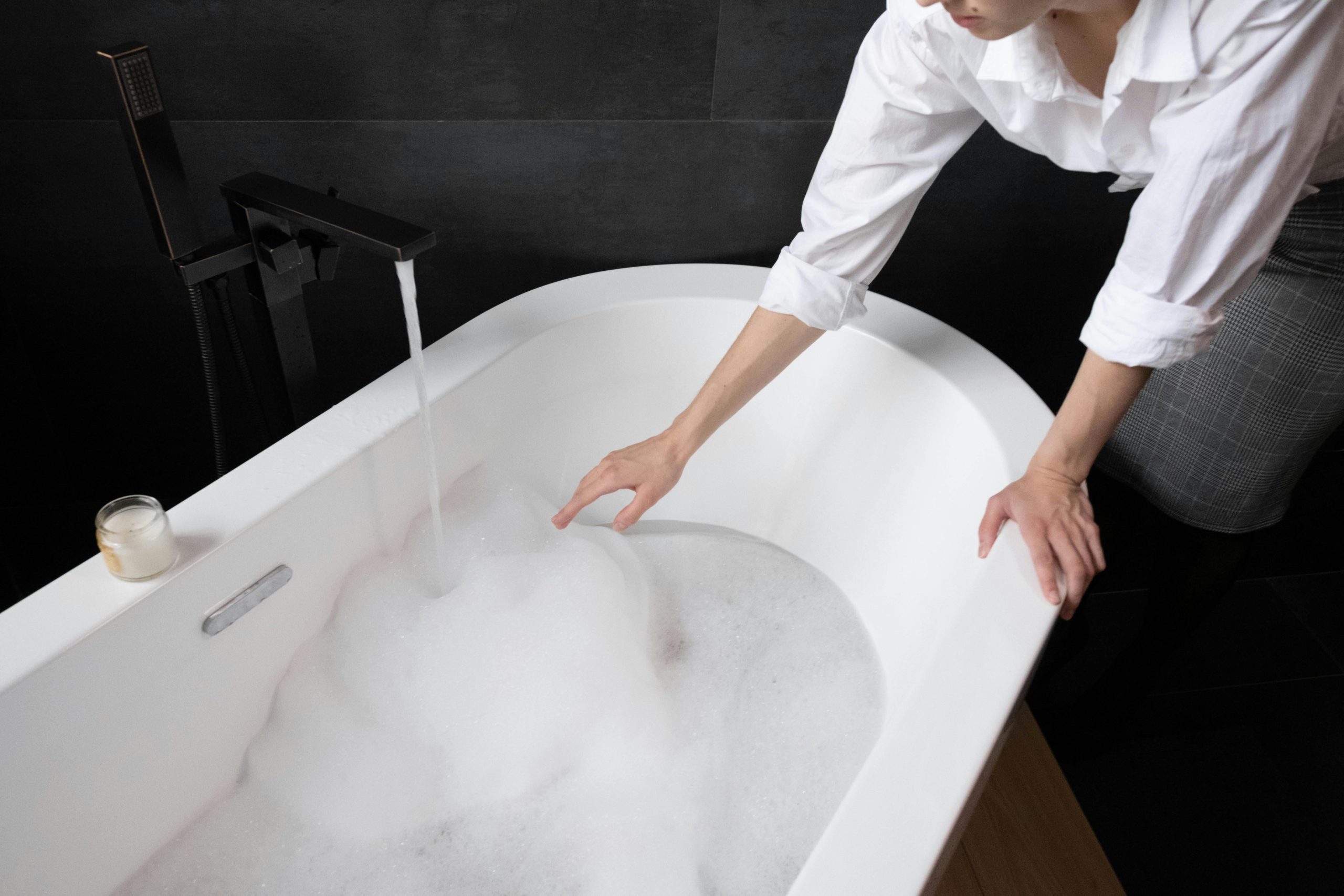
Explore How To Unclog Bathtub Drain
A slow-draining and smelly bathtub drain can be an irritating clog to deal with. Most homeowners think that this issue can only be solved by using toxic chemicals or by hiring a professional. Fortunately, we can clear out this blockage safely and efficiently with several household items. In this guide, we will outline the steps and tips on how to unblock a bath drain with the help of household items.
Understanding the Cause of Clogs
It is essential to learn why drains become clogged before moving forward to do something. Over the years, your drain can get filled with hair, soap residue, and dirt, leading to a tough blockage. The movement of water can also be blocked by other objects, such as small debris or mineral buildup. Knowing what kind of blockage you have is great in selecting which method will work best to clear it and ensure the new addition of your home works well.
Most Common Signs of a Clogged Drain
- After taking a bath or shower, the water takes too much time to drain.
- Foul smells crawl out of the drain.
- Gurgling sounds happen when a drained pipe also has water in it.
- We see the standing water here remaining after multiple minutes.
While you could always wait until it starts to smell to clean it up, early identification of these signs can help you avoid needing as much cleaning done in the first place!
Getting Rid of Minor Clogs with Hot Water
The simplest first step for unclogging a bathtub drain is pouring hot water. It loosens soap scum, and hair are softens with heat.
- Heat some water in a kettle or pot.
- Pour the hot water down your drain slowly.
- Just wait for a few minutes and check out the flow.
- Repeat if necessary.
- Plunger: This works for simple clogs caused by soap scum or thin hair build-up.
Baking Soda and Vinegar Method
Vinegar & baking soda are really strong natural cleaners or deodorisers that can clear lots of the drainage clogs. There are no chemicals used, and safe for pipes.
- First, add half a cup of baking soda to the drain.
- Then add half a cup of vinegar.
- Let the mixture rest for 15 – 30 minutes.
- How to do it: Place a half cup of baking soda and half a cup of white vinegar into the drain to break up the clog, let it sit for about an hour, and then rinse with hot water.
The vinegar and baking soda’s chemical reaction assists in breaking down gunk and deodorizing. This method should be repeated every week to avoid clogs in your drain.
When you need to use a plunger for stubborn clogs
One with strong suction to break through a tough blockage. This works for hair clogs or even a little object in the pipe.
- Add enough water to the bathtub so that it will cover the plunger’s cup.
- Place the plunger on top of your drain and press down hard.
- Then do the same thing for a few repetitions in a row.
- Run water down the drain to make sure that it flows smoothly.
- It pairs really well together with hot water or treatment with baking soda and vinegar for tough blockages.
Removing Debris Manually
Some clogs may even be just below the surface, allowing them to be removed by hand or with simple tools. Use gloves, a wire hanger, a drain snake, etc., to safely retrieve the clog.
- Wear rubber gloves to keep your hands safe.
- Take a wire hanger, straighten it out, then bend a small hook at one end.
- Insert the hook into the drain and pull out hair or debris carefully.
- Finally, seal the material in a trash bag.
- This is a direct method of removal that usually cleans the problem very quickly.
Preventive Tips for Clear Drains
That’s as important as eliminating the existing as preventing the future clogs. It just takes a few simple practices to minimize buildup and keep your drainage working as it should.
- Use a small drain cover that will catch hair and muck.
- Weekly, flush the drain with hot water
- Don’t put grease, soap scum, or large debris down the tub.
- Clean the drain stopper regularly.
Following these steps may mitigate the risk of blockages developing further in the future.
When to Seek Professional Help
Most of the clogs can be resolved with household methods; however, in certain cases, you need to call in a professional to get things sorted. Ongoing drainage issues, smells that don’t clear, or consistent blockages might suggest a plumbing dilemma. A professional plumber can check the pipes and offer a permanent solution.
Explore: How to Choose the Right Glass Cleaner for Shower
Conclusion
Knowing how to get a bathtub drain unclogged with common home items puts time, money, and effort back in your pocket. Safe and practical methods include hot water, baking soda and vinegar, plunging, or manual removal. These techniques, along with some proactive habits, can prevent drains from clogging and getting worse. This preventative action allows for a grime-free bathtub, which results in a more comfortable and sanitary home.
Explore How To Unclog Bathtub Drain A slow-draining and smelly bathtub drain can be an irritating clog to deal with. Most homeowners think that this issue can only be solved by using toxic chemicals or by hiring a professional. Fortunately, we can clear out this blockage safely and efficiently with several household items. In this…