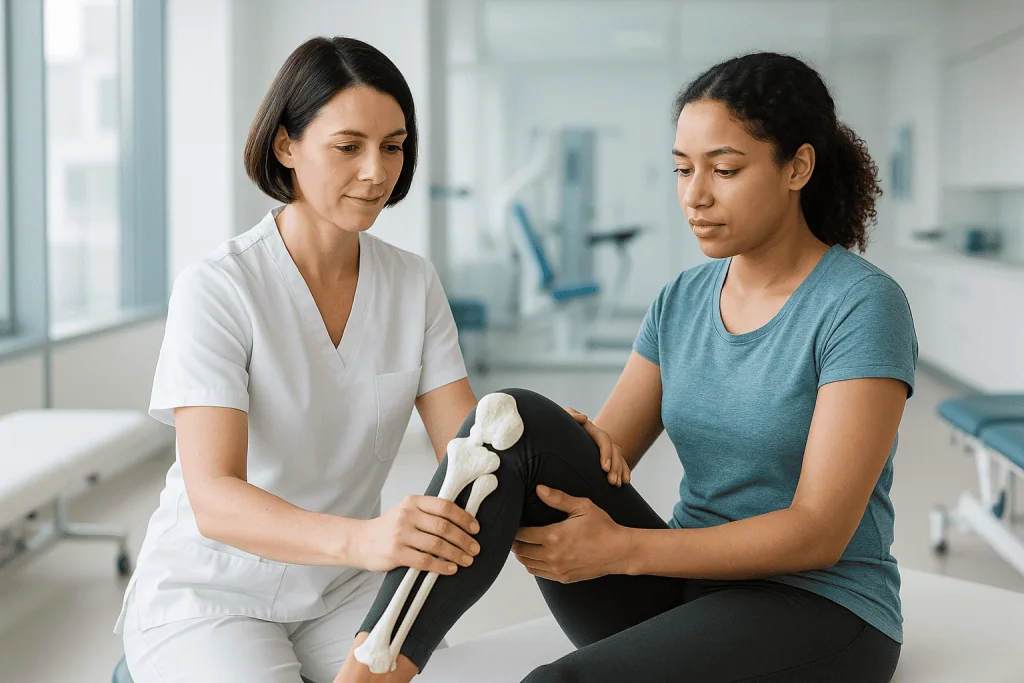
A workplace injury can affect movement, income, and daily responsibilities long after an accident report is filed. Legal decisions depend on medical facts, including the diagnosis, treatment history, prognosis, and connection between the incident and the condition. An injury team with medical experts examines those facts alongside employment records and witness accounts. That combined review gives the legal team a clearer basis for evaluating responsibility, damages, and the next step in a claim.
Someone researching legal options after a serious job accident can consult Glen B. Levine for information about how personal injury lawyers assess workplace injuries. Medical input helps clarify whether symptoms match the reported accident, whether treatment follows accepted practice, and whether the injury limits earning capacity. Those findings give the attorney a factual basis for discussing liability, compensation, and case strategy with the injured worker.
Why Medical Knowledge Matters
Medical records often contain technical language that does not explain how an injury affects work. A physician’s diagnosis identifies the condition, but the legal team also needs to understand functional limits, expected recovery, and treatment needs. A medical expert can connect clinical findings with the tasks the worker performed before the accident.
Workers also face questions about prior conditions. An insurer might argue that an earlier back problem, joint issue, or illness caused the current symptoms. A careful medical review separates the preexisting condition from the new injury and identifies changes documented after the workplace event.
How the Team Builds a Diagnosis
The process begins with a detailed account of the accident. The legal team reviews incident reports, safety records, job descriptions, photographs, and statements from coworkers. Medical experts then compare that information with emergency records, imaging, examinations, prescriptions, and follow-up notes.
Timing also matters, as symptoms recorded immediately after an accident carry different significance from complaints first documented months later. A medical review tracks when pain, weakness, numbness, restricted motion, or other symptoms appeared and how they changed during treatment.
Diagnoses Need Functional Detail
A diagnosis alone does not show whether someone can return to the same job. Medical experts assess lifting limits, standing tolerance, grip strength, range of motion, concentration, and the need for breaks. These details connect the medical record to the worker’s actual duties.
Work restrictions should match documented findings. If a worker cannot lift more than a stated amount, the record should explain why that limit applies. If symptoms prevent a return to the previous position, the medical opinion should identify the restrictions that create that barrier. This information also affects future care. A permanent impairment, ongoing therapy, surgery, medication, or assistive device carries different financial consequences. A diagnosis becomes more useful when the medical evidence explains expected treatment and daily limitations.
Reviewing Competing Opinions
Insurers often rely on medical reviews that challenge causation, treatment, or the extent of disability. An injury team examines the reviewer’s assumptions, records, testing, and stated reasoning. A disagreement becomes easier to evaluate when each opinion is tied to identifiable evidence.
Medical experts can identify gaps in an opposing report. The report might omit later imaging, overlook a changed examination result, or treat a prior condition as the sole cause without addressing the accident’s effect. The legal team can then ask focused questions rather than relying on broad claims. A clear response does not require exaggerated language. It requires a diagnosis supported by records, a logical explanation of causation, and an opinion that addresses the worker’s actual limitations.
Records That Improve Case Preparation
The injured worker should preserve all medical records, work restrictions, wage statements, and communications about the accident. A symptom diary can record pain levels, missed activities, sleep problems, and changes in physical ability. These entries do not replace medical evidence, but they help establish a consistent timeline.
The legal team should also obtain records from before the accident when a prior condition exists. Those documents allow medical experts to compare the worker’s pre-accident condition with the worker’s post-accident condition. Accurate comparisons reduce confusion and make later opinions easier to defend. Prompt communication matters as treatment develops. New symptoms, referrals, missed appointments, and changes in work status should be reported to the legal team. Updated information prevents the case record from lagging behind the medical reality.
Conclusion
A diagnosis becomes more persuasive when it explains what happened, why the condition followed, and how it affects work and daily life. Medical experts give the legal team a disciplined method for testing those connections against records and examination findings. After a workplace injury, the practical next step is to preserve medical documents, follow prescribed care, and provide a complete timeline of symptoms and restrictions. That preparation gives the team better information before it evaluates the claim.