Why Hands-On Eyelash Extension Training Matters for Beginners

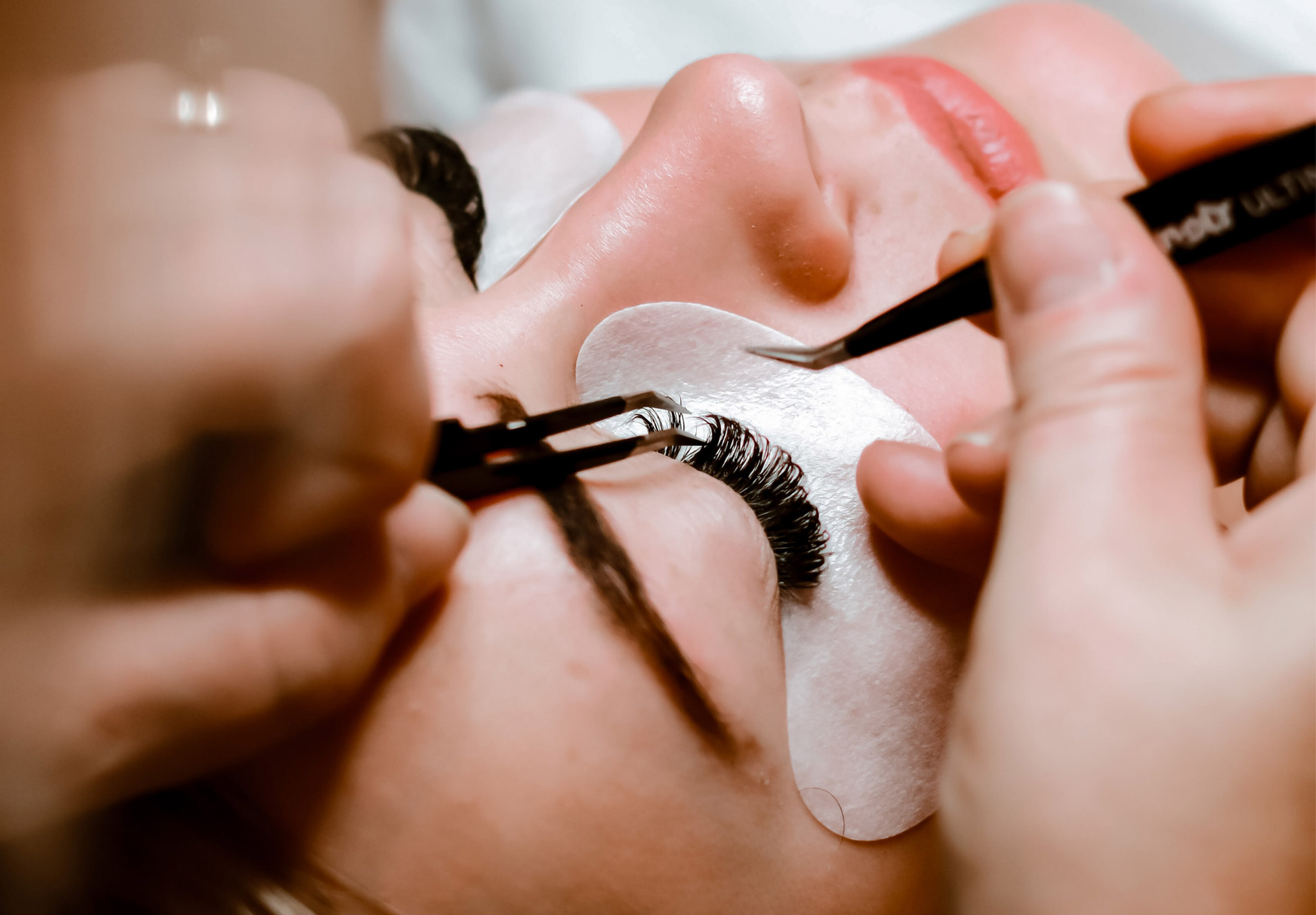
Many beginners assume eyelash extension work depends mainly on a steady grip. In practice, safe application calls for visual precision, clean isolation, adhesive control, and close attention to tissue response. Hands-on training brings those elements together before weak habits take hold. Early supervised practice also shows how pressure, angle, and product amount affect comfort, retention, and lash health. That experience gives new artists a sound base for client work.
Supervised First Steps
Theory can explain isolation, adhesive behaviour, and mapping, yet beginners still need guided sets on real lashes. During eyelash extensions training in Brisbane, they can feel wrist angle, pickup pressure, and spacing change under supervision, while an educator corrects tiny errors before they affect retention, comfort, or hygiene. That immediate feedback gives practice a clinical purpose, rather than leaving technique to guesswork.
Muscle Memory Matters
Precise placement rarely develops from video study alone. Repetition teaches the hand to stabilise, while the eyes learn to separate fine natural hairs without strain. Over time, beginners begin spotting excess pressure, poor pickup, or drifting attachment points much sooner. Those repeated corrections build motor patterns that support cleaner sets and steadier timing. Skill improves faster when awkward movements are addressed before they become routine.
Live Guidance Changes Everything
A demonstration shows the goal, but supervision explains why a result is safe and durable. Trainers can catch weak bonds, sticky lashes, or product overload before a full set is compromised. Quick feedback also helps beginners recognise watering, posture fatigue, and subtle signs of sensitivity. That exchange shortens the distance between trial and proper execution. Small technical fixes often protect both appearance and ocular comfort.
Theory Sticks Better After Use
Many learners retain theory more easily after handling the tools involved. Lash diameter, curl choice, adhesive viscosity, and drying speed make more sense once they are tested during supervised application. Practical work turns abstract language into visible outcomes on natural lashes. Because of that link, safety rules and styling choices are recalled more consistently later. Memory improves when concepts are tied to tactile experience.
Timing and Setup Feel Different
Set-up sounds simple until a beginner prepares a station under real service conditions. Hands-on sessions teach where to rest tweezers, how to refresh adhesive, and when surfaces require disinfection. Students also learn the rhythm of consultation, mapping, placement, and aftercare. That sequence matters because slow transitions can disrupt focus and affect client ease. Orderly preparation helps the treatment feel controlled, calm, and professionally managed.
Real Models Reveal Real Variables
Practice heads can help with basics, yet live models expose conditions that mannequins cannot show. Natural lashes vary in density, direction, thickness, and growth phase, while eyes may water or flutter during application. Beginners learn to adapt without rushing or forcing placement. Exposure to those variables builds judgement, which matters as much as technical accuracy in daily salon work. No dummy can reproduce that complexity.
Confidence Grows From Repetition
Confidence in lash work should rest on repeated success, rather than optimism alone. Each supervised set allows beginners to test a sequence, correct errors, and see improvement while the details are fresh. That pattern builds trust in their own process. With more guided repetition, new artists usually approach early independent bookings with calmer decisions. Clients often notice steadiness through gentler handling and clearer communication.
Better Feedback, Fewer Bad Habits
Poor habits can form quickly, and they become harder to correct once they are repeated over many appointments. Hands-on instruction makes flaws visible before they become part of normal technique. Trainers can address grip tension, attachment distance, symmetry drift, and inconsistent isolation with direct examples. That saves time, protects clients, and reduces the need for frustrating relearning later. Early correction often prevents avoidable setbacks and uneven results.
Training Shapes Professional Standards
Beginner courses do more than teach placement steps. They also show how experienced practitioners handle sanitation, consultation, consent, patch testing, record keeping, and aftercare advice. Watching those standards in action gives new artists a practical model for responsible service. That broader foundation supports safer appointments and stronger client trust during the first months of work. It also helps beginners communicate limits with clarity and care.
Conclusion
Hands-on eyelash extension training matters because beginners need more than instructions on paper. They need supervised repetition, immediate correction, and contact with real client variables. Practical learning turns theory into controlled action, while confidence develops through guided experience. For new artists, that process can prevent common mistakes before business begins. A strong start usually leads to safer services, better retention, and more reliable outcomes for each client booked.
Many beginners assume eyelash extension work depends mainly on a steady grip. In practice, safe application calls for visual precision, clean isolation, adhesive control, and close attention to tissue response. Hands-on training brings those elements together before weak habits take hold. Early supervised practice also shows how pressure, angle, and product amount affect comfort, retention,…