Construction Conundrum: Production Builders Vs Custom Homes: Which Is Right For You?

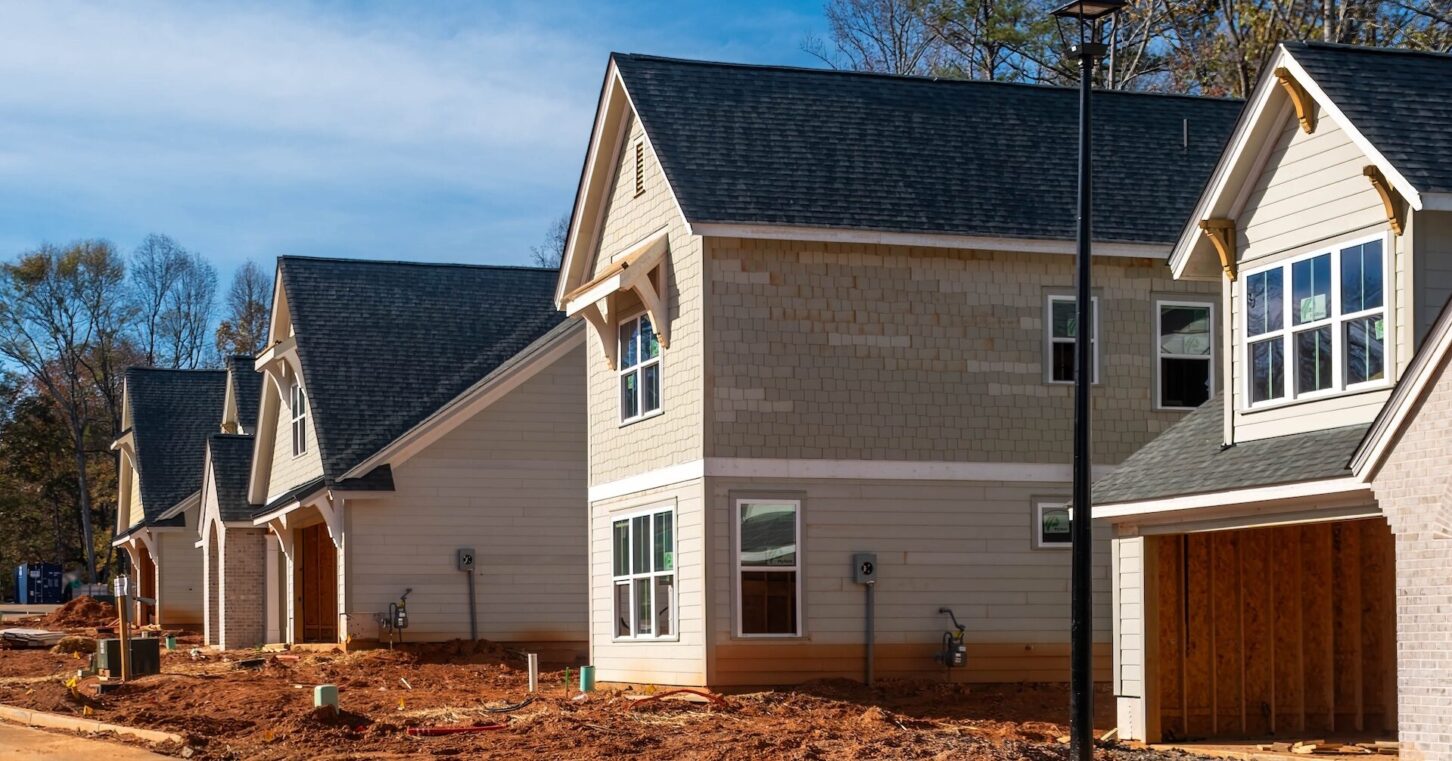
Building a home usually begins the same way for most people.
A few display homes on a Saturday. Some floorplans spread across the kitchen table. Someone suddenly becomes very passionate about walk-in pantries.
It all feels fairly simple at first.
Then a new question appears.
Who’s actually going to build the house?
This is usually where people discover there are two very different paths. Production builders, sometimes known as volume builders, and custom home builders.
Both can deliver fantastic homes.
But the experience of getting there can feel quite different depending on which route you take.
Here are six things people often wish they understood before choosing.
1. How Much Creative Control You Want
Custom builders usually start with something close to a blank page.
You might arrive with sketches. Or screenshots. Sometimes just a sentence like, “we want lots of natural light and a big kitchen.”
From there, the design evolves. Rooms shift around. Windows move. Someone suggests rotating the living area toward the afternoon sun, and suddenly the whole layout changes.
Production builders approach things differently. They usually offer a catalogue of floorplans that have already been built many times before. You pick one that suits your block, then you tweak it.
Maybe a wall moves slightly. The facade changes. Interior finishes get upgraded. But the overall structure of the home generally stays close to the original design.
For some people that structure feels reassuring. Others want more freedom.
2. Budget Surprises
Production builders tend to be very good at predicting costs.
They build similar homes repeatedly, which means materials are ordered in bulk and trades follow a familiar workflow. Pricing is often clearer from the beginning.
Custom homes can behave a little differently. When a design is unique, unexpected things sometimes appear along the way. Engineering adjustments. Structural tweaks. A staircase that turns out to be more complex than expected.
None of that means custom building is a bad idea. It just means leaving a bit of breathing room in the budget is wise.
3. Build Speed
Production builders usually move quickly.
They build the same designs over and over, so trades know the sequence almost by heart. Slab poured. Frame up. Roof on. Everything progresses in a fairly predictable rhythm.
Custom homes often take longer. Not because builders are slower, but because each project is different. Unique details sometimes require additional planning or specialised trades. The result can be incredible.
It just might take a little more time.
4. The Number of Decisions
This is something first-time builders rarely expect.
Custom builds involve a surprising number of decisions: Tiles. Tapware. Door handles. Window sizes. Lighting layouts. Cabinet colours.
Then, suddenly, someone asks about grout colour, and the meeting pauses for ten minutes. At first the choices are exciting. After a while they can feel… endless.
Production builders simplify this part of the process.
Many offer curated design studios where finishes are grouped into packages that work well together.
You still personalise the home.
You’re just not starting from zero every time.
5. How Involved You Want to Be
Custom homes often feel very collaborative.
You might meet regularly with architects, designers, and builders as ideas evolve. The project gradually takes shape through conversations and revisions.
Some homeowners love that experience.
Production builds tend to follow a clearer structure. You select a design, choose your finishes, and the construction process follows a fairly defined sequence.
For many people that smoother path feels much easier to manage.
6. What the Finished Home Feels Like
Production homes are often incredibly practical.
Their layouts have been tested again and again by real families. Kitchens connect naturally to living areas. Storage appears where people tend to need it.
There’s a reason those designs keep getting built.
Custom homes lean more toward individuality.
They might follow the exact shape of the block, capture a specific view, or include design features that simply wouldn’t appear in a standard catalogue.
Both approaches can lead to a fantastic home.
The real difference is the journey you take to get there.
Building a home usually begins the same way for most people. A few display homes on a Saturday. Some floorplans spread across the kitchen table. Someone suddenly becomes very passionate about walk-in pantries. It all feels fairly simple at first. Then a new question appears. Who’s actually going to build the house? This is usually…