How to Grow Black Flowers at Home

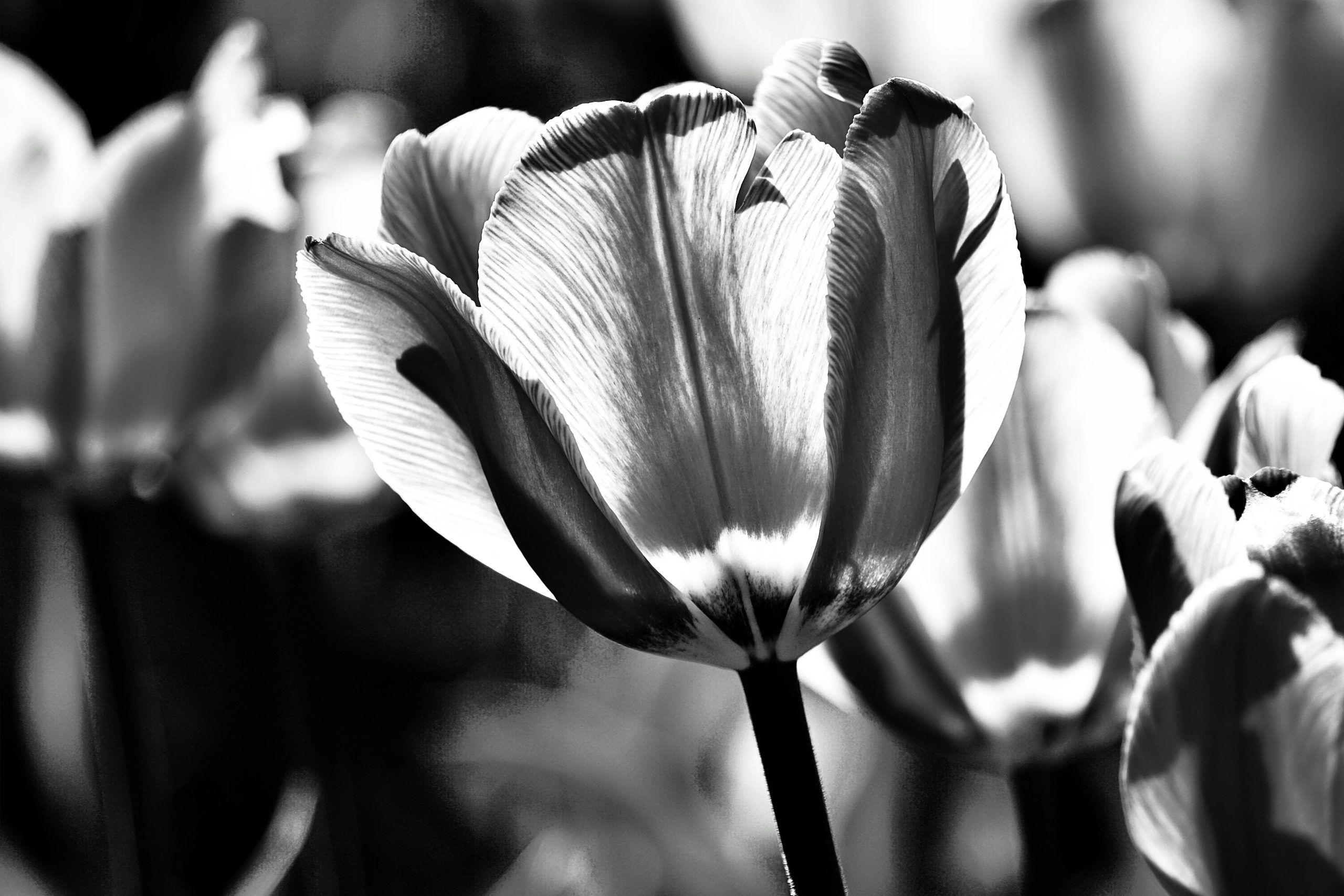
Growing black flowers at home
Gardening is a fulfilling means of enhancing outdoor and indoor areas. Rare colors that produce contrast and drama are what many gardeners are after. That dual tone blooms in deep palettes gives that wow factor. Now more than ever, people are searching for unique flowers, and interest in black flowers has gained some ground. These plants provide a little more substance between the borders, containers, and mixed beds.
Never in nature do you see truly black petals. Wide varieties look quite dark purple/maroon red in color. In certain lights, you almost think they are charcoal colored. If you take good care of them, these beautiful plants can grow in domestic gardens as well. Success is achievable by having a clear plan and giving continuing focus to every milestone or step you need to take.
You can grow black flowers at home, and this guide gives you more details on how to grow your black flowers at home. Includes information on choosing, preparing the soil, watering, sunlight, and continued care. They spell out the steps gardeners need to take for successful growth and durable blooms.
Selecting The Best Black Flower Species
Success starts with choosing the right species. Some are extremely adaptable to changing environments, while others will grow best only in a certain range of conditions. Looking into options can assist gardeners in matching plants to their local weather types and soil types.
Popular varieties include:
- Black petunias with velvety petals
- Tulips that seem almost ink dark
- Hellebores with deep plum shades
- Hollyhocks featuring dramatic stems
- Pansies with near-black centers
Each has different behaviours in terms of growth. Tulips thrive in cooler seasons. Petunias do best in warmer months. Hellebores are fine with being in the shade and cooler weather.
Hardiness Zones must be checked by the gardener before planting. Choose species appropriate to the local setting to minimize strain on the flora and enhance the quality of the blossoms.
Preparing Soil for Healthy Growth
Strong roots grow in rich, well-drained soil. Many dark-toned flowering plants prefer slightly acidic to neutral conditions. Soil pH testing gives useful information ahead of the planting season.
Improving soil structure may involve:
- Mixing organic compost
- Adding aged manure
- Incorporating leaf mold
- Loosening compacted ground
Drainage remains essential. Over-watered roots will rot and get fungal disease. In heavy clay areas, raised beds or containers are the solution for better drainage.
The balance of nutrients is also responsible for the color of the bloom. Phosphorus encourages flowers, and potassium helps build overall strength.
Getting Plenty of Sunlight
Exposure to light plays a role in growth and the strength of petal performance. Most of the black flowers prefer the full sun. Bright color exists with at least six hours of direct light per day
But hot afternoon sunshine will bleach dark petals. Strong afternoon sun damages tender blooms, so, in hotter climates, offer some partial shade during those hours. The best placement for plants can be figured out by watching how they respond.
For indoor plants, containers should be placed near bright windows. However, other lights can supplement when the days are short, as in the winter. Consistent light ensures steady development.
Watering Practices That Support Blooming
Consistent moisture encourages healthy growth. The soil should be kept moist and never waterlogged. Excess moisture in wet soil will weaken the roots and cause the plant to be more susceptible to disease.
A simple watering routine includes:
- Checking the topsoil before adding moisture
- Watering early in the morning
- Directing water at the base
- Avoiding overhead irrigation
Mulch helps maintain soil hydration. Evaporation control and temperature regulation, such as organic materials like bark or straw. It also helps prevent weeds from growing.
If you planted something in a container, you may have to water it a lot more. Garden beds retain moisture better than pots. Checking the status of the dirt enables you to avoid stress and wilting.
Fertilizing for Deep, Rich Color
Petal color and number of blooms can be affected by nutrient support. Feeding well through the growing season maintains excellent results. Use balanced fertilizers with moderate nitrogen, as it promotes flowering instead of excessive leafy growth.
Liquid feeds are typically given every 2 to 3 weeks and have been highly productive. In such cases, it can be helpful to use slow-release granules. Do not overfeed; excess nourishment may inhibit blossom formation.
And compost tea is a natural answer. It enriches the soil, but in a mild fashion. Based on the observation of the plant response, the adjustment of the feeding schedule can be done.
Pruning and Maintenance
They bloom for a long period, and with routine care, you can prolong that period. This enables energy to be redirected to new growth by removing faded blossoms. This process, called deadheading, keeps things looking tidy.
Additional maintenance steps include:
- Trimming damaged stems
- Removing yellowing leaves
- Supporting tall varieties with stakes
- Monitoring for pests
Dark flowering plants can occasionally see the presence of aphids and spider mites. Early detection prevents larger problems. These methods allow you to keep your garden healthy without the need for strong chemicals and insecticides.
Perennials are also prepared to go dormant during seasonal pruning. Pruning back the foliage after flowering will lead to powerful regrowth in the following cycle.
Growing Black Flowers in Containers
Gardeners with limited room don’t have to put up with anything less than spectacular flowers. Containers provide flexibility and control. Improved plant health by using the correct pot. Choose containers with drainage holes. Choose one of the sizes that allows the roots to extend freely. Potting Mix: The best quality potting mix has a much better structure than garden soil.
Container gardening offers several benefits:
- Mobility for optimal sunlight
- Easier soil management
- Reduced weed growth
- Decorative placement options
You can grow black flowers on balconies, patios, or in an indoor room. Color coordinating using pots also improves appearance. Dark flower petals look great against light colored containers.
Managing Temperature and Seasonal Care
Temperature influences plant vitality. While some of the cool-season types tolerate a mild frost, the warm-season varieties demand a stable heat. Prevent stress by understanding seasonal needs.
In the cold months, you can take protective measures:
- Applying mulch around roots
- Moving containers indoors
- Covering plants during frost warnings
In warm climates, water and some shade are needed. Keeping an eye on the weather forecast, it helps gardeners to be able to act quickly when extremes are expected.
Annual flower plants complete their life cycle in one season. With a little maintenance, perennials come back from season to season. Plant type helps plan further into the future.
Design Ideas for Dramatic Impact
Visual contrast: Dark blooms, such as ‘Schwarzwälder’, attract attention when juxtaposed with the bright colors of a garden. They are exhibited by pairing them with lighter shades with a depth advantage. Deep petals are perfectly complemented by silver foliage plants.
Creative combinations include:
- White daisies beside dark tulips
- Light rose blossoms amid dark purple pansies
- Ornamental grasses are versatile plants and a lovely addition to most any garden
Focus points are highlighted through strategic placement. It is perfect for making a statement with dramatic tones in border edges, entryways, and patio containers. Balanced composition should never overwhelm the space.
Black flowers are best used sparingly for maximum impact. Excessive dark blossoms may relegate visibility. Thoughtful arrangement ensures harmony.
Common Challenges and Solutions
There are some minor challenges in growing dark-toned plants as such. Petal fading usually happens with direct sun irradiation. Color intensity can be regained if you move the placement around.
We use this water only for roses, and there is no waterlogging (As we grew lazy). So, Poor drainage root issues. The problem can be fixed fairly quickly by improving soil structure. Regular inspection can prevent disease from spreading.
But little number of flowers might point to a nutrient imbalance. Usually, this problem can be solved by adjusting fertilizer application. They offer good hints when you observe their color and growth patterns.
Patience remains important. Certain varieties bloom heavily only after taking time to settle down in their roots.
Frequently Asked Questions
Q: Are black flowers truly black in color?
All types look very dark purple, red, or maroon. Black petals, bear in mind these are a unique dark purple colour, but depending on growing conditions and the light itself, they can and do appear black.
Q: Does this plant require specific soil?
Regular, easy-draining soil mixed with compost works well. Healthy development needs a slightly acidic to neutral pH.
Q: Can they grow indoors?
Yes, several types will adapt to pots near bright windows. Gets better performance in winter (with supplemental lighting).
Q: How often should they be watered?
Water when the top inch of soil is dry to the touch. Do not soil, under soil conditions, wet soil kills roots.
Q: Which season is best for planting?
The timing for planting varies according to the species. Petunias are hot-weather plants, and tulips grow best in cool months.
Q: Do dark blooms fade quickly?
Excessive sunlight may lighten petals. Deep color is retained with partial shade during peak heat.
Explore: Types of Purple Flowers That Bloom Year-Round.
Conclusion
Black blooms make a striking statement and a sense of sophistication and elegance in the home garden. Consider adding some of these distinctive flowers to your home garden. It all starts with careful variety selection. Having good soil, the right light, and consistent watering will help them thrive.
Regular maintenance ensures extended blooming. Greater flexibility in placement, containers are ideal for smaller places. Seasonal care involves protection against extreme temperatures.
Gardeners can keep these vivid dark blooms looking lush and lively with care and effort. They provide beauty and dimension to any space, and are plants that are hard to replicate.
Growing black flowers at home Gardening is a fulfilling means of enhancing outdoor and indoor areas. Rare colors that produce contrast and drama are what many gardeners are after. That dual tone blooms in deep palettes gives that wow factor. Now more than ever, people are searching for unique flowers, and interest in black flowers…