Innovative Decorative Wall Panels to Elevate Interior Design

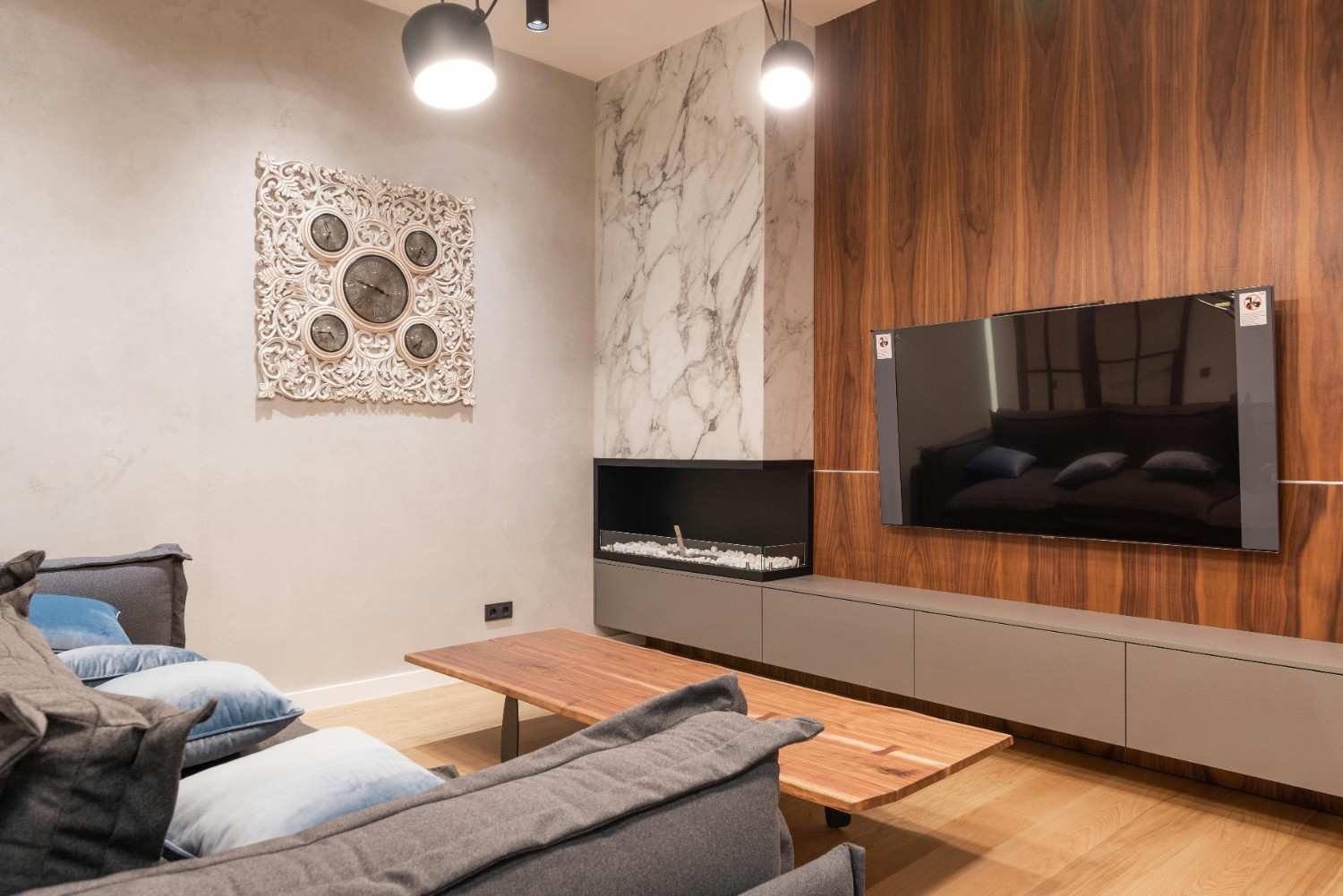
Decorative Wall Panels
Interior spaces should reflect personality, comfort, and purpose. Walls often set the mood of a room; yet they often receive less creative consideration than furniture or lighting. Careful surface treatments can transform plain areas into memorable features. One solution gaining prominence is decorative wall panels, which add visual interest without overwhelming a space; these panels offer structure, texture, and depth, while supporting cohesive interior themes. Carefully selecting wall treatments can achieve beauty with function in shared living areas.
Wall Panels Have Gained Popularity Over Time
Design preferences continue shifting towards expressive yet practical solutions, and decorative wall panels meet this demand by offering style with ease of installation. Unlike paint or wallpaper, panels add dimension that changes with changing light conditions during the day for an enhanced visual experience. Plus, panels hide surface flaws while decreasing maintenance requirements – perfect for living rooms, hallways, and offices.
Materials That Define Character
- Material choice plays an integral part in both appearance and longevity, which is why designers typically select options according to room function and desired atmosphere.
- Wood-based panels bring warmth to classic or rustic interiors alike, with grain patterns adding organic charm.
- Medium-density fiberboard panels feature sleek surfaces suitable for painted designs. These modern interior designs accommodate these sleek panels perfectly.
- Fabric-covered surfaces provide enhanced acoustics while adding softness. Bedrooms and lounges alike benefit from this option.
- Metal finishes provide industrial flair. Accent walls can gain strength through reflective surfaces.
- Stone-inspired designs provide texture without adding additional weight, mimicking natural surfaces easily.
- Each material supports different design goals, providing greater freedom without structural modifications.
Textures and Patterns That Enhance Spaces
Texture plays an essential part in how we perceive space. Flat walls can feel monotonous, while textured surfaces add energy, such as decorative wall panels with patterns ranging from subtle grooves to bold geometric forms. Vertical lines increase perceived height, making ceilings appear higher, while horizontal designs widen narrow rooms, and repeating motifs create rhythm while leading the eye across the room. This helps guide artistic interiors, while traditional tastes will appreciate abstract patterns with balanced results. Pattern selection should take into account the room size and lighting conditions to produce optimal results.
Decorated Wall Panels in Contemporary Living Spaces
Contemporary homes favor clean lines and subtle accents, and decorative wall panels fit right in. When coupled with minimalist furniture and neutral palettes, decorative wall panels add visual interest without clutter. A feature wall behind a sofa or television creates focus without clutter; light-colored panels add brightness while darker tones bring depth. Panels also frame artwork and shelves, adding dimension while providing visual separation within open-plan layouts without creating physical barriers between zones.
Enhance commercial interiors with decorative wall panels
Workspaces and hospitality venues benefit from thoughtful wall treatments. Decorative wall panels create an inviting atmosphere while furthering brand identity through color and texture. Reception areas gain presence with textured backdrops; conference rooms benefit from improved acoustics with fabric or composite panels; retail spaces utilize patterned surfaces to guide customer movement; restaurants create intimate dining areas using warm materials; panels offer durability suitable for high traffic environments, guaranteeing long-term appeal.
Color Selection and Lighting Interaction
Color selection affects mood and spatial balance. Neutral hues create tranquil environments, while bolder tones awaken social areas. Decorative wall panels respond uniquely to light, creating changing shadows throughout the day. Natural lighting highlights texture while artificial lighting, such as wall washers or spotlights accentuate patterns during evening hours. Coordinating panel colors with floor and furniture colors brings harmony; balanced lighting prevents overwhelming contrasts while maintaining comfort.
Installation and Maintenance Considerations
Installation makes panels attractive in renovation projects, as many systems use modular designs that enable quick placement. Surface preparation ensures secure fitting and longevity; maintenance requirements vary by material – wood needs occasional polishing while composite requires cleaning; fabric surfaces benefit from regular dust removal while moisture-resistant options make sense in kitchens and bathrooms. Practical planning ensures lasting results without ongoing upkeep requirements.
Sustainability and Thoughtful Design
Environmental concerns influence design decisions. More decorative wall panels now utilize recycled or responsibly sourced materials for decoration purposes. Long-lasting surfaces reduce replacement needs, helping support sustainable practices. Insulating or acoustic panels contribute to energy efficiency; selecting durable options aligns aesthetics with responsibility – selecting these sustainable designs shows that both interior comfort and environmental considerations are taken into consideration when making decisions about decor choices.
Integrate Panels into Existing Decor
Successful integration hinges on balance. Wall panels should complement furniture rather than compete for attention; matching their tones with upholstery creates unity, while using contrasted textures sparingly adds interest. They pair particularly well with mirrors for increasing light distribution, while art placement benefits from using textured backgrounds that frame pieces naturally. Careful coordination ensures panels enhance rather than dominate an interior space.
Explore: Stylish Wardrobe Design Solutions for Every Home
Conclusion
Walls provide an outlet to express creativity and elevate everyday spaces. Decorative wall panels provide an accessible solution, combining beauty, function, and ease of use. From their various materials, textures, and patterns suited to diverse interior styles, selection can increase comfort while simultaneously supporting sustainability efforts, while enriching visual appeal. Thoughtful selection can transform interior spaces into cohesive environments that feel both welcoming and refined.
Decorative Wall Panels Interior spaces should reflect personality, comfort, and purpose. Walls often set the mood of a room; yet they often receive less creative consideration than furniture or lighting. Careful surface treatments can transform plain areas into memorable features. One solution gaining prominence is decorative wall panels, which add visual interest without overwhelming a…